
This Microbit Didn’t Spark a Tech Career — It Prevented One

A few weeks ago, my friend from USA reached out to me with a dilemma. He wanted to support a young man’s further education — someone from a small town in South India — but there was a twist. This young person had a Bachelor’s degree in Commerce but was now insistent that his future lay in IT.
My friend was unconvinced. And honestly, I was equally puzzled.
We decided to speak with the young man over a video call to understand what drove this sudden pivot. The call didn’t offer much clarity. All we got was a strong sense of his “passion” for IT — but not much depth on why he felt this way. There was no clear articulation of what aspect of IT excited him, no tangible examples, and no signs of experience or experimentation.
Luckily, a few days later, my friend got the opportunity to meet him in person in Bangalore. When I also happened to be in Bangalore the following week, we compared notes. My friend’s impression hadn’t changed much — he still felt the young man was directionless and was wasting his solid foundation in commerce. He urged him to consider an MBA instead of an MCA (Master’s in Computer Applications).
We were stuck — at a decision point, and the application deadlines for both courses were fast approaching.
That’s when we decided to test the hypothesis.
What a Barista Who Couldn’t Speak Taught Me About Leadership

I’ve been coming to the same Starbucks in Kalyan Nagar, Bangalore, since the day it opened about three years ago. While many think of coffee shops as noisy or distracting, this space has been my sanctuary for focused work and original thinking. It’s the closest I can get to a non-home environment that allows deep reflection.
Over time, I’ve seen this store evolve like a finely tuned instrument. Operations run like clockwork now—orders are fast, the atmosphere is clean, and the staff are always warm and efficient. But it was only recently that I began noticing something much more profound—something about culture, leadership, and humanity.
Here are three takeaways that made me see this Starbucks not just as a coffee shop, but as a quiet masterclass in leadership.
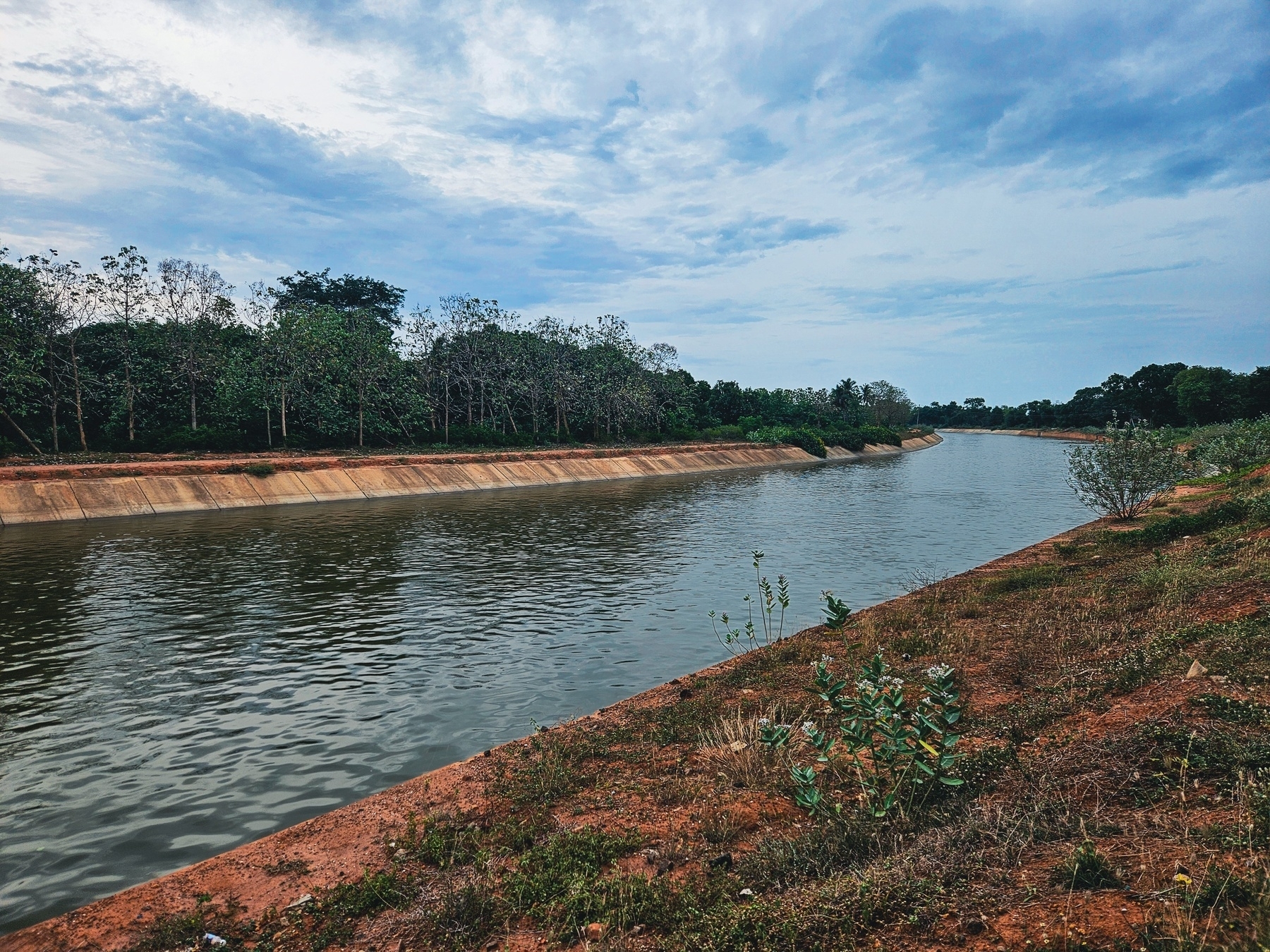
The Grand Anaicut Canal
I had [written](Technology Shapes Society: From Kallanai to AI, A Personal Story www.linkedin.com/pulse/tec…) about how this British built canal transformed and levelled the cultural and economic scene of Kaveri delta region of Thanjavur.
Here is a picture of that canal still being used to that effect and some images from the plantation of paddy for the new season.


Cloud Mesh

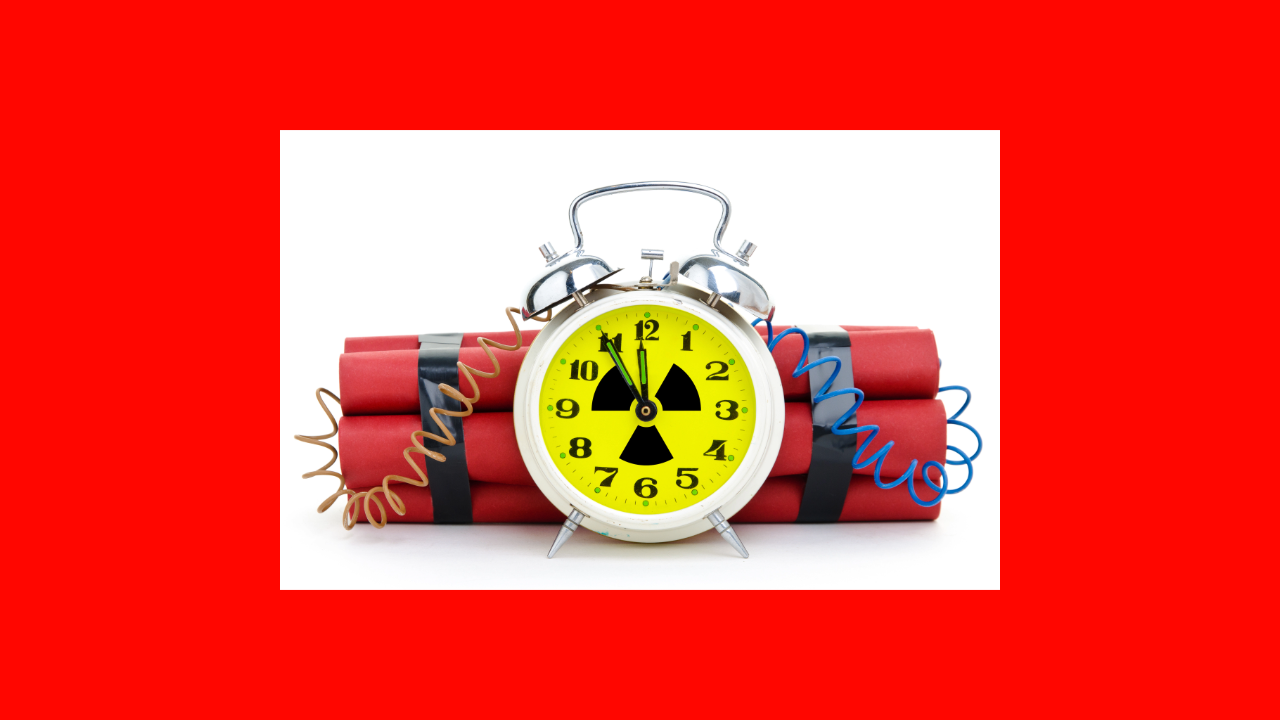
Time is your enemy
Microsoft Fabric Data Engineer Associate certification : DP-700 exam
Having experienced this exam today, I can easily conclude that the biggest problem is not having enough time to answer all the questions.
Especially, if you are unlucky like me, to get the case study questions at the end of the exam instead of at the beginning - time just flies answering the first section. I was left only with 10 mins for the case study 🙁
So it’s more important to be fast in reading the questions. Most questions take long to read. If your first language isn’t English or you have difficulty reading fast in English, see if the exam is offered in your native language. I know for sure it’s available in Spanish and few other languages.
So don’t hesitate to take up the exam in your language of proficiency.
Good luck!
The Courage to Be Happy

Finished reading: The Courage to Be Happy by Ichiro Kishimi 📚
My fav topics
Life begins from incompleteness Civilisation is a product of the need to compensate for the biological weakness of the human being, and the history of the human race is the history of triumphing over its inferiority.
How many close friends do you have You cannot talk frankly about everything with a normal friend? Why can’t you take off the mask when you are with a “normal” friend.
From an ‘Art of Being Loved’ towards an ‘Art of Loving’ It is difficult to be loved by another person. But loving another person is a task of far greater difficulty
Race vs. Marathon: The Two Leaders I've Chosen
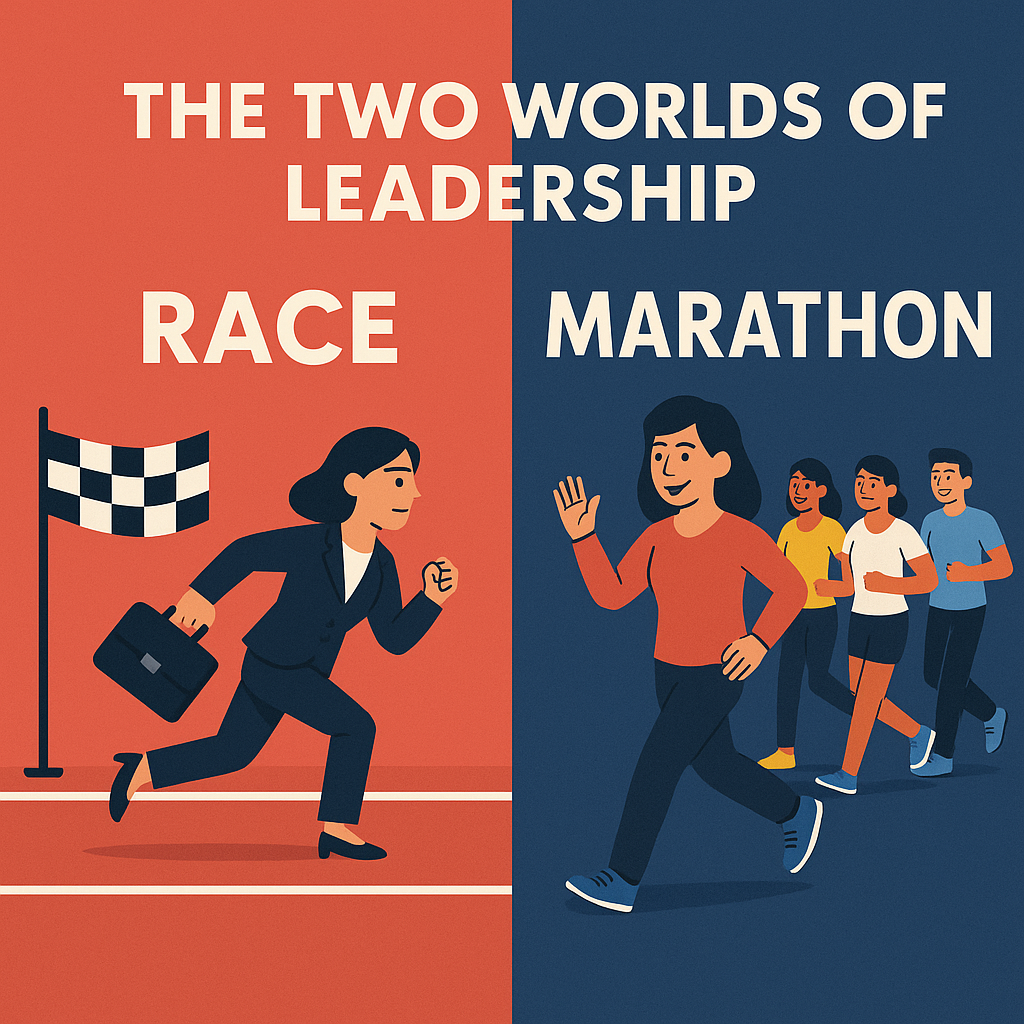
In my career, I’ve had the rare opportunity to experience two vastly different types of leadership. They’ve left such a deep impression that I now see them not just as management styles, but as philosophies of life.
Picture this.
One type of leader treats the workplace like a race.
- Win fast. Win hard. Win at all costs.
- Efficiency is everything. Drive the team like an engine on max throttle—results over relationships.
- It’s about hierarchy, competition, and stories of lone heroes rising above the rest.
- There’s praise, yes—but it’s often delivered by contrasting one teammate as “brilliant” by calling another “not good enough.” The goal? Inspire through comparison. Motivate through fear of inadequacy.
The other treats work like a marathon.
- Pacing matters. Shared progress. Winning together.
- Effectiveness over frenzy. Use the car only when needed—not just because we paid for it.
- Here, growth isn’t measured just in revenue or headcount, but in how much people actually want to come to work.
- There are no whispered stories of who’s underperforming. Instead, leaders work hard to make everyone’s strengths visible and valued.
The Courage to Be Disliked

Finished reading: The Courage To Be Disliked by Ichiro Kishimi 📚
Some of my fav bits of wisdom from the book:
You’re the only one worrying about your appearance
Philosopher: Earlier didn’t your say, “I can’t celebrate other people’s happiness with all my heart'? You think of interpersonal relationships as competition; you perceive other people’s happiness as ‘my defeat’ and that is why you can’t celebrate it.
Overcoming the tasks that face you in life
Philosopher: The interpersonal relationships that a single individual has no choice but to confront when attempting to live as a social being - these are the life tasks. They are indeed tasks in the sense that one has no choice but to confront them. Philosopher: First, let’s look at the tasks of work. Interpersonal relationships of work have the easy-to-understand common objective of obtaining good results, so people can cooperate even if they don’t always get along, and to some extent they have not choice but to cooperate. And as long as a relationship if formed solely on the basis of work, it will go back to being a relationship with an outsider when working hours are over or one changes jobs.
How to separate tasks
Philosopher: One does not intrude on other people’s tasks. That’s all. Youth: Hmm. I don’t really get it. In the first place, how can you tell whose task it is? Philosopher: There is a simple way to tell whose task it is. Think, Who ultimately is going to receive the end result brought about by the choice that is made?
It’s a fantastic feeling to end the day by writing the journal using Hero Fountain Pen.

A KISS Wedding: A Refreshing Reminder of the Power of Simplicity

Why We Sleep

Finished reading: Why We Sleep by Matthew Walker 📚
Biggest learnings:
- Don’t force teenagers to wake up early. It’s counter productive
- Consider how long it takes for coffee to flush out from our body before thinking of another shot
- Lost sleep hours cannot be compensated with longer sleeps
No drone in sight this time, but next time for sure!
There is something satisfying about growing crops. Despite the complexity and uncertainty involved in it, we have farmers (with big and small farms) still farming. The pace of change in farming is also accelerating. Due to lack of labour, famers are forced to use technology to continue the endeavour. In my recent visit to my village, I heard of a business who is renting drones to be used in farms. Could not get it to see in action this time, but hoping to make use of it during next harvest. Here are some photos of the paddy fields from my recent visit.
A nursery bed in preparation of next season plantation:

The current season crop nearly ready for harvest:

The farmer - Working From Home:

The Hidden Trap of "Growth for Growth's Sake": Why Scaling Too Fast Sinks Start-ups (and How to Avoid It)
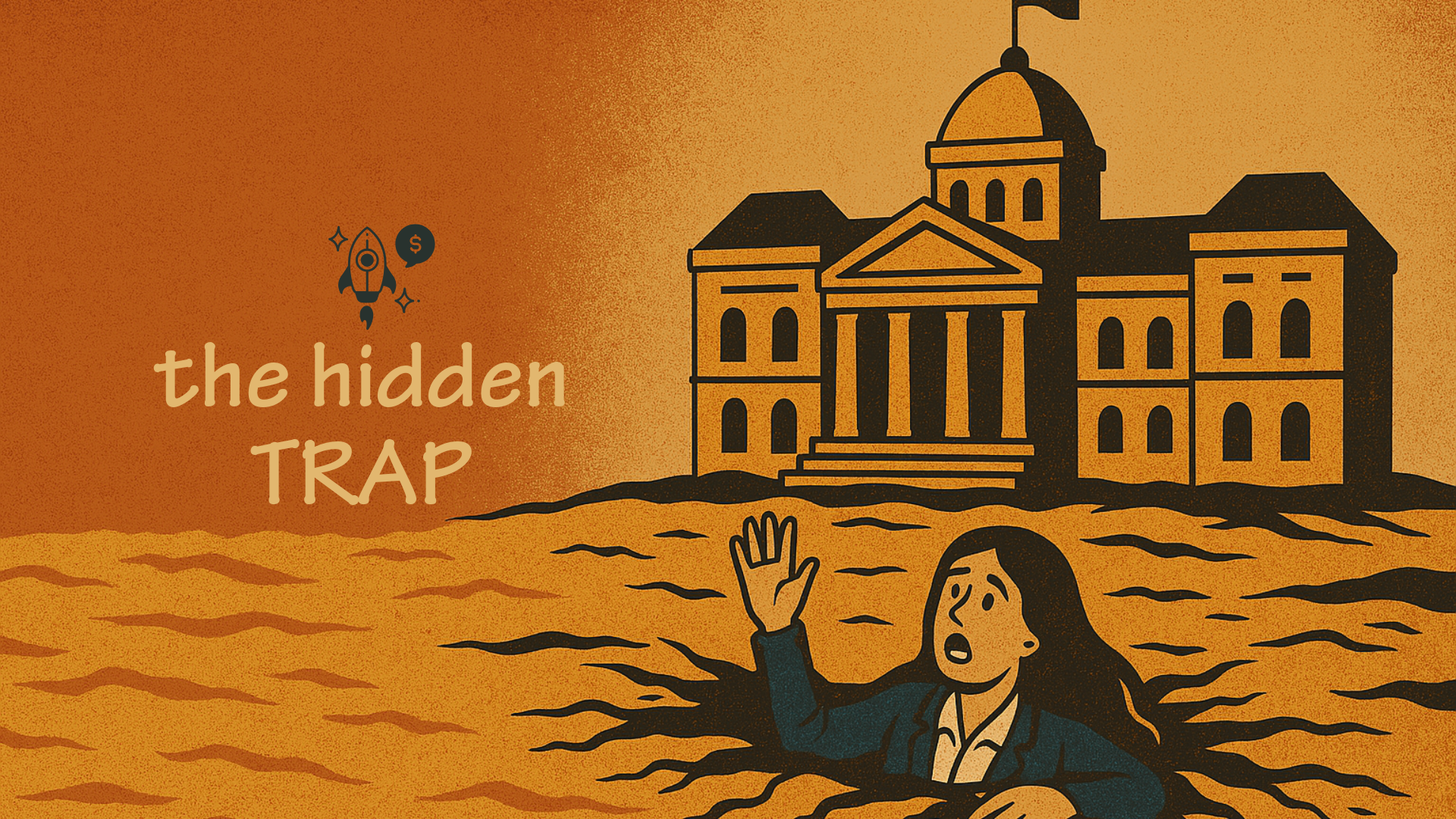
A founder recently asked me how to structure their new consulting firm: “Should I build a marketing team, sales team, and delivery team from day one?” My immediate thought: Bhai, why? When pressed, they admitted they hadn’t considered how this structure would generate revenue—they just assumed it was “what businesses do.” This mindset, coupled with a story from my past, reveals a critical blind spot: scaling fixed costs without a revenue-driven strategy is like building a palace on quicksand.
Let’s grab a chai and dissect why this happens.
DTUs, SUs, CU(s) - OMG!
There are a lot of units in Azure to forecast cost for various services. Yeah, even for pay-as-you-go in the cloud, a decent idea of projected cost is required to justify adoption of a new service.
The most recent for me was CU(s) in relation to Azure Fabric Capacity, which was indeed quite baffling. The usual mistake of thinking it must be something similar to other baffling units like DTUs, SUs etc, could cost us. Especially, as a start-up who have been given certain fixed credits by Microsoft for a year.
Thankfully, The Fabric Guy has written an amazingly detailed article on this matter and this should be a must read for anyone even uttering the word “Fabric”.
With that confidence of having understood what CU(s) (not CUs) are, it’s time to hit the road to get a real feel for it.
Part 3: Offshoring Is a Business Model—Not a Cost-Cutting Exercise
 > _"Startups build for scale. Consulting firms often build for speed—until they hit a wall."_
I’ve seen it too many times.
In Part 1, I explained why consultants get laid off even when revenue is good.
In Part 2, I showed how a hybrid offshore-onsite model gives companies more time before resorting to cuts.
Now let’s talk about what many leaders get wrong—when and why they introduce offshoring.
Because here’s the truth:
By the time you’re scrambling to “cut costs,” it’s already too late to build culture, delivery maturity, or trust offshore.
That’s not offshoring. That’s damage control.
No more flickering of my 4K external screen
Finally after many years of frustration, managed to stop the flickering of my 4k monitor when it was connected to my surface book. Turns out that the setting in Edge “Use graphics acceleration where available” was the culprit. As soon as I turned it off, I think the built-in Windows algorithm that decides to switch the graphics card, stopped doing it and now, I have a peaceful screen helping me focus on building Semantic Data Model.


Part 1: Why Am I Being Made Redundant? Understanding The Consulting Business Model

When I asked my friend:
“Do you know the business you’re in?”
He paused, then said, “I’m a data scientist. Why should I worry about that?”
That’s when I realised: most people working in consulting don’t actually understand the business model they’re part of. They’re brilliant in their domains—data, design, software, delivery—but they operate without context on how their company earns revenue or why layoffs really happen.