Motorcycle Touring
Sunrise, Obavvana Kindi and the Road Home: Chitradurga to Bengaluru
This is Part 5, the final instalment of Four Mornings on the Classic 350, a five-part motorcycle journey through Karnataka that was supposed to last four days, but became five.
| Part | Route | Story |
|---|---|---|
| 1 | Bengaluru → Mysore | Leaving in the Rain |
| 2 | Mysore → Madikeri | The Wrong Road Down |
| 3 | Madikeri → Hassan | Touring Is Different from Living |
| 4 | Hassan → Chitradurga | Every Turn a Question Mark |
| 5 | Chitradurga → Bengaluru | Sunrise, Obavvana Kindi and the Road Home |
I was at Chitradurga Fort at six in the morning.
The entrance procedure was unnecessarily irritating—online registration, identity details and the increasingly familiar feeling that everything in modern life somehow needs to know who you are.
Then I entered the fort.
And forgot about it.
The sun was rising.
I climbed higher through successive layers of fortification, catching the morning light over the landscape.
I’d misunderstood Chitradurga Fort before visiting it.
I had imagined a fort primarily as a defensive structure—a place built to keep enemies out and protect the rulers within.
But Chitradurga was an entire seat of power spread across the hill.
It had reservoirs and systems for self-sufficiency. Temples. Areas for exercise and recreation. Palace complexes, although much of those structures are now ruined.
And walls.
So many walls.
The deeper I went, the larger the place seemed.
Two hours wasn’t enough.
Then I reached Obavvana Kindi.
This was personal in a different way.
The story of Onake Obavva had been one of my favourites since childhood. For years, that narrow opening in the fort had existed only in a story.
Now I was standing there.
There was no need to manufacture a profound feeling around it.
It simply felt wonderful to finally see a place I’d imagined since I was young.
Between Obavvana Kindi, the sunrise and the scale of the fort itself, the random decision to stay in Chitradurga had produced one of the highlights of the entire journey.
The least interesting road
The remainder of the final day was much less romantic.
It was mostly highway.
Breakfast was good. Later I stopped at a Café Coffee Day, ordered one drink and was given another. I couldn’t be bothered arguing, so I drank it.
It was actually fine.
I also finally tested the electronic tyre inflator I’d been carrying.
The front tyre should have been around 30 psi. It was at about 24–24.5.
The little inflator brought it up remarkably quickly. The rear was already at 35, so I left it alone.
One more piece of touring equipment had proved its usefulness.
Then, between Tumakuru and Nelamangala, came one last unexpectedly good stop.
Mandarin, inside the Siddhartha medical-institution campus, was modern and funky and rather expensive.
I had a refreshing mocktail.
Then I ordered a handmade sourdough pizza.
It was superb—genuinely comparable with some of the best pizza I’d eaten in London.
I deliberately stayed for thirty to forty-five minutes.
There was no point rushing towards Bengaluru.
Unfortunately, Bengaluru wasn’t going anywhere.
The final approach was miserable.
Heavy traffic. Bad roads. Noise.
After several days in the Karnataka countryside, I found myself thinking that some village roads were genuinely better than the roads in the city.
By the time I was nearing home, I was exhausted.
And one thought kept occurring to me:
Why the hell am I here? I should be somewhere remote.
I reached home at around four in the afternoon.
After two hours' rest, I went to see my best friend Nachiket and stayed at his home until late, eventually returning around midnight.
Only then was the trip really over.
Five days instead of four
The trip had started as a four-day plan.
It became five.
Somewhere along the way, reaching places became less important than what happened between them.
The highways got me places.
The village roads gave me the trip.
Perhaps that was the real lesson of these five days.
Go where your heart tells you to go.
You can keep travelling forever and forever.
Every Turn a Question Mark: Hassan to Chitradurga
This is Part 4 of Four Mornings on the Classic 350, a five-part motorcycle journey through Karnataka that was supposed to last four days, but became five.
| Part | Route | Story |
|---|---|---|
| 1 | Bengaluru → Mysore | Leaving in the Rain |
| 2 | Mysore → Madikeri | The Wrong Road Down |
| 3 | Madikeri → Hassan | Touring Is Different from Living |
| 4 | Hassan → Chitradurga | Every Turn a Question Mark |
| 5 | Chitradurga → Bengaluru | Sunrise, Obavvana Kindi and the Road Home (coming soon) |
The next morning I left Hassan using a new navigation app, Kurviger.
At first, I wondered whether that had been a mistake.
Instead of taking the obvious roads out of town, it sent me through little side streets. They were full of bumps and badly repaired cuts where utility work had been done.
Then, perhaps fifteen minutes later, the city fell away.
The roads became smooth.
The traffic disappeared.
And the ride became magnificent.
I realised I wasn’t constantly checking my mirrors anymore because almost nobody was coming up behind me.
That meant I could look around.
There were paddy fields around Hassan, then plantations and villages, and later coconut and other crops as the landscape changed towards Vani Vilas.
Not taking the highway was turning out to be the best decision of the day.
Then Kurviger offered me a shortcut.
I’d selected avoid unpaved roads.
Apparently the app and I had slightly different definitions of unpaved.
Within a minute, the road became gravel.
Then mud.
Then something that barely looked like a road at all.
I stopped near some villagers.
They looked at me with understandable curiosity. Why was this man on a loaded Royal Enfield riding into what was essentially a farm track?
They told me I shouldn’t continue. It wasn’t really a proper road.
I explained that I wasn’t lost.
I was exploring the countryside.
Their attitude immediately changed.
Oh! You’ve actually come to see the villages?
In that case, they said, I could try it. The road did continue. It was just rather muddy.
Suddenly they were almost encouraging the adventure.
I continued.
Every corner became a small question.
Would the road continue? Would it disappear? Would I end up at a farm? Would I have to turn the motorcycle around?
It reminded me, on a much smaller scale, of the feeling I’d experienced on my Spiti and Leh-Ladakh trip four years earlier.
It demanded attention.
And it was enormous fun.
Every turn was a question mark.
Stumbling into Javagal
Later I rode into a village whose name immediately seemed familiar.
Javagal.
Of course. Javagal Srinath.
I’d stumbled into the village associated with one of India’s great fast bowlers without intending to go there at all.
Then I found something even better: a temple.
I stopped.
The moment I began looking at it, the architecture was unmistakable: the intricate stonework and geometric forms immediately reminded me of Belur and Halebidu.
A Hoysala temple.
It was smaller than those famous monuments—almost like encountering a miniature version of them sitting quietly in a village.
And it was quiet.
Hardly anybody was around.
I walked through the temple and its surroundings and spoke with a few local people.
I hadn’t searched for it. I hadn’t put a pin on a map.
I’d simply ridden into it.
That made the discovery much more satisfying.
A man-made gorge
Another unplanned stop came beside an irrigation canal.
I’ve been fascinated by dams, irrigation and geography since childhood, so naturally I stopped.
Initially it looked like a conventional large canal.
Later I encountered it again beside the road.
This time the landscape was extraordinary.
The canal ran through such a deep cutting that it looked almost like a gorge. Engineers had effectively carved through the hill to carry water across the landscape.
A man-made gorge.
On a motorcycle, stopping for something like this required almost no decision at all.
See something interesting. Pull over. Look at it. Then continue.
That simple freedom was becoming one of my favourite things about travelling this way.
Chitradurga after dark
Staying in Chitradurga was itself something of a detour.
The accommodation wasn’t really a hotel. It was a simple roadside lodge beside the owners' home, run by a group of youngsters.
No restaurant. No hotel infrastructure.
But it was inexpensive, friendly and wonderfully quiet.
Going into town that evening revealed something completely unexpected.
Chitradurga was preparing for its annual Ganapati procession.
There were police everywhere. Roads had been closed, and I heard that several lakh people could attend the event.
The main procession wouldn’t begin until the following morning, after I planned to leave.
But the town had already transformed.
Around two kilometres of road had been illuminated.
After dinner at Prasadam, I walked for about fifteen minutes through the town and then fifteen minutes back.
Lights everywhere. Crowds. Festival preparations.
And, despite being a relatively small city, an astonishing amount of honking.
Then I returned to the quiet lodge outside town.
Another experience I hadn’t planned.
Every Turn a Question Mark: Hassan to Chitradurga
This is Part 4 of Four Mornings on the Classic 350, a five-part motorcycle journey through Karnataka that was supposed to last four days, but became five.
| Part | Route | Story |
|---|---|---|
| 1 | Bengaluru → Mysore | Leaving in the Rain |
| 2 | Mysore → Madikeri | The Wrong Road Down |
| 3 | Madikeri → Hassan | Touring Is Different from Living |
| 4 | Hassan → Chitradurga | Every Turn a Question Mark |
| 5 | Chitradurga → Bengaluru | Sunrise, Obavvana Kindi and the Road Home (coming soon) |
The next morning I left Hassan using a new navigation app, Kurviger.
At first, I wondered whether that had been a mistake.
Instead of taking the obvious roads out of town, it sent me through little side streets. They were full of bumps and badly repaired cuts where utility work had been done.
Then, perhaps fifteen minutes later, the city fell away.
The roads became smooth.
The traffic disappeared.
And the ride became magnificent.
I realised I wasn’t constantly checking my mirrors anymore because almost nobody was coming up behind me.
That meant I could look around.
There were paddy fields around Hassan, then plantations and villages, and later coconut and other crops as the landscape changed towards Vani Vilas.
Not taking the highway was turning out to be the best decision of the day.
Then Kurviger offered me a shortcut.
I’d selected avoid unpaved roads.
Apparently the app and I had slightly different definitions of unpaved.
Within a minute, the road became gravel.
Then mud.
Then something that barely looked like a road at all.
I stopped near some villagers.
They looked at me with understandable curiosity. Why was this man on a loaded Royal Enfield riding into what was essentially a farm track?
They told me I shouldn’t continue. It wasn’t really a proper road.
I explained that I wasn’t lost.
I was exploring the countryside.
Their attitude immediately changed.
Oh! You’ve actually come to see the villages?
In that case, they said, I could try it. The road did continue. It was just rather muddy.
Suddenly they were almost encouraging the adventure.
I continued.
Every corner became a small question.
Would the road continue? Would it disappear? Would I end up at a farm? Would I have to turn the motorcycle around?
It reminded me, on a much smaller scale, of the feeling I’d experienced on my Spiti and Leh-Ladakh trip four years earlier.
It demanded attention.
And it was enormous fun.
Every turn was a question mark.
Stumbling into Javagal
Later I rode into a village whose name immediately seemed familiar.
Javagal.
Of course. Javagal Srinath.
I’d stumbled into the village associated with one of India’s great fast bowlers without intending to go there at all.
Then I found something even better: a temple.
I stopped.
The moment I began looking at it, the architecture was unmistakable: the intricate stonework and geometric forms immediately reminded me of Belur and Halebidu.
A Hoysala temple.
It was smaller than those famous monuments—almost like encountering a miniature version of them sitting quietly in a village.
And it was quiet.
Hardly anybody was around.
I walked through the temple and its surroundings and spoke with a few local people.
I hadn’t searched for it. I hadn’t put a pin on a map.
I’d simply ridden into it.
That made the discovery much more satisfying.
A man-made gorge
Another unplanned stop came beside an irrigation canal.
I’ve been fascinated by dams, irrigation and geography since childhood, so naturally I stopped.
Initially it looked like a conventional large canal.
Later I encountered it again beside the road.
This time the landscape was extraordinary.
The canal ran through such a deep cutting that it looked almost like a gorge. Engineers had effectively carved through the hill to carry water across the landscape.
A man-made gorge.
On a motorcycle, stopping for something like this required almost no decision at all.
See something interesting. Pull over. Look at it. Then continue.
That simple freedom was becoming one of my favourite things about travelling this way.
Chitradurga after dark
Staying in Chitradurga was itself something of a detour.
The accommodation wasn’t really a hotel. It was a simple roadside lodge beside the owners' home, run by a group of youngsters.
No restaurant. No hotel infrastructure.
But it was inexpensive, friendly and wonderfully quiet.
Going into town that evening revealed something completely unexpected.
Chitradurga was preparing for its annual Ganapati procession.
There were police everywhere. Roads had been closed, and I heard that several lakh people could attend the event.
The main procession wouldn’t begin until the following morning, after I planned to leave.
But the town had already transformed.
Around two kilometres of road had been illuminated.
After dinner at Prasadam, I walked for about fifteen minutes through the town and then fifteen minutes back.
Lights everywhere. Crowds. Festival preparations.
And, despite being a relatively small city, an astonishing amount of honking.
Then I returned to the quiet lodge outside town.
Another experience I hadn’t planned.
Touring Is Different from Living: Madikeri to Hassan
This is Part 3 of Four Mornings on the Classic 350, a five-part motorcycle journey through Karnataka that was supposed to last four days, but became five.
| Part | Route | Story |
|---|---|---|
| 1 | Bengaluru → Mysore | Leaving in the Rain |
| 2 | Mysore → Madikeri | The Wrong Road Down |
| 3 | Madikeri → Hassan | Touring Is Different from Living |
| 4 | Hassan → Chitradurga | Every Turn a Question Mark (coming soon) |
| 5 | Chitradurga → Bengaluru | Sunrise, Obavvana Kindi and the Road Home (coming soon) |
This was the day when the journey really became a motorcycle tour.
The roads through the coffee country were superb: bends, greenery, plantations and relatively little traffic.
I rarely went beyond 60 km/h.
There was no reason to.
On roads like these, speed would have defeated the purpose.
Instead I began learning the motorcycle better. One lesson was particularly useful: on a bend, I needed to select the lower gear before entering the turn rather than changing down in the middle of it.
The bike was teaching me how it wanted to be ridden.
Then, between Somwarpet and Shanivarasanthe, I decided not to stay on the main road.
There was a smaller alternative.
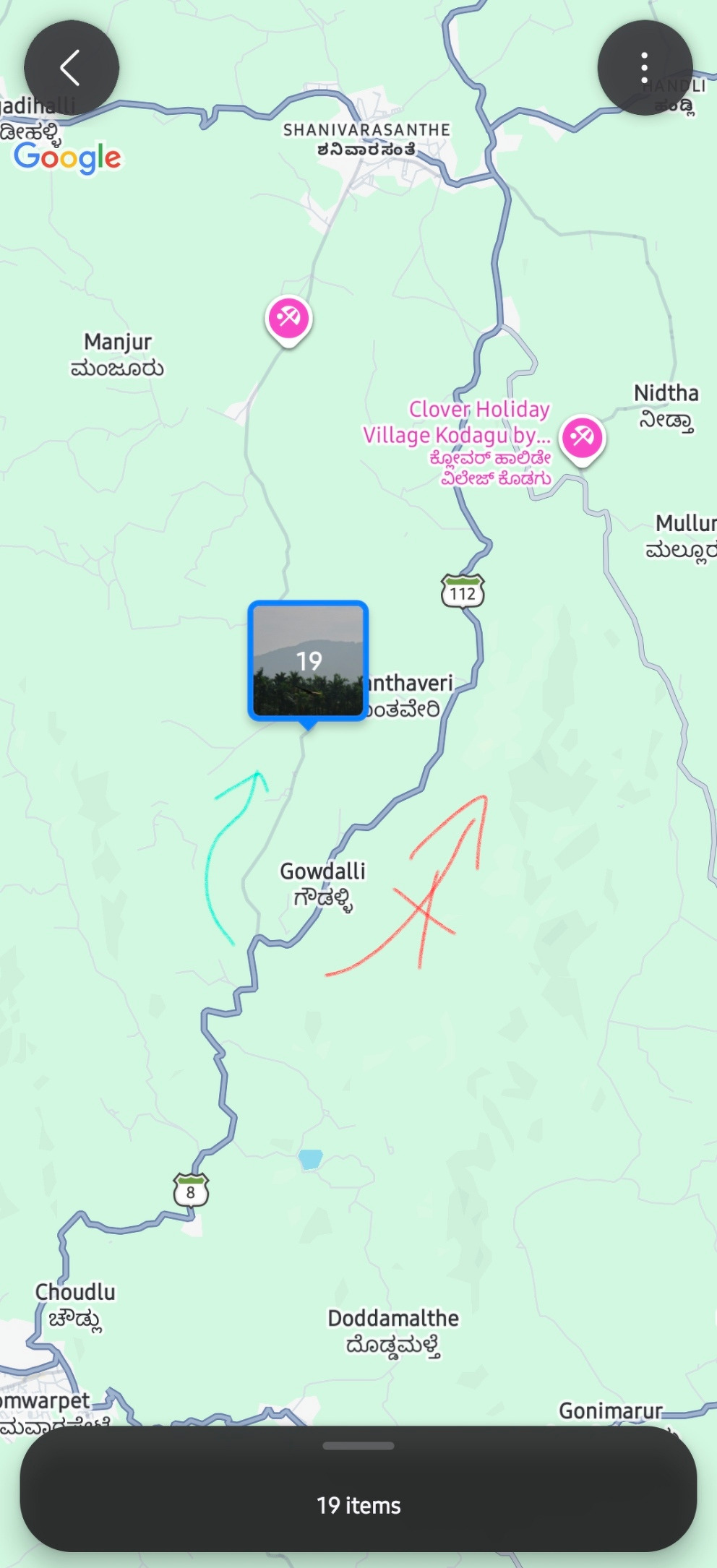
I took it.
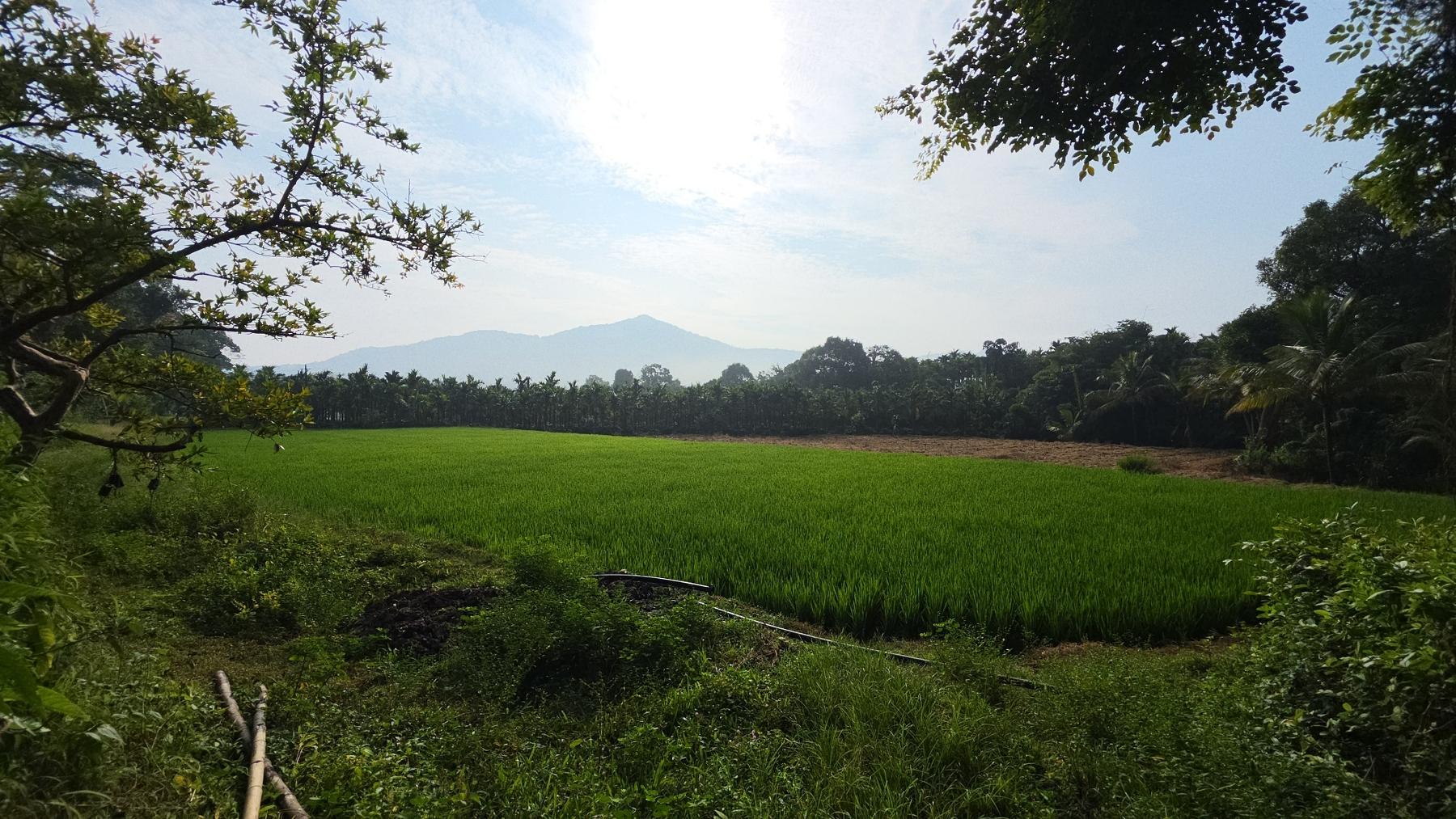
That decision produced one of my favourite scenes of the entire trip.
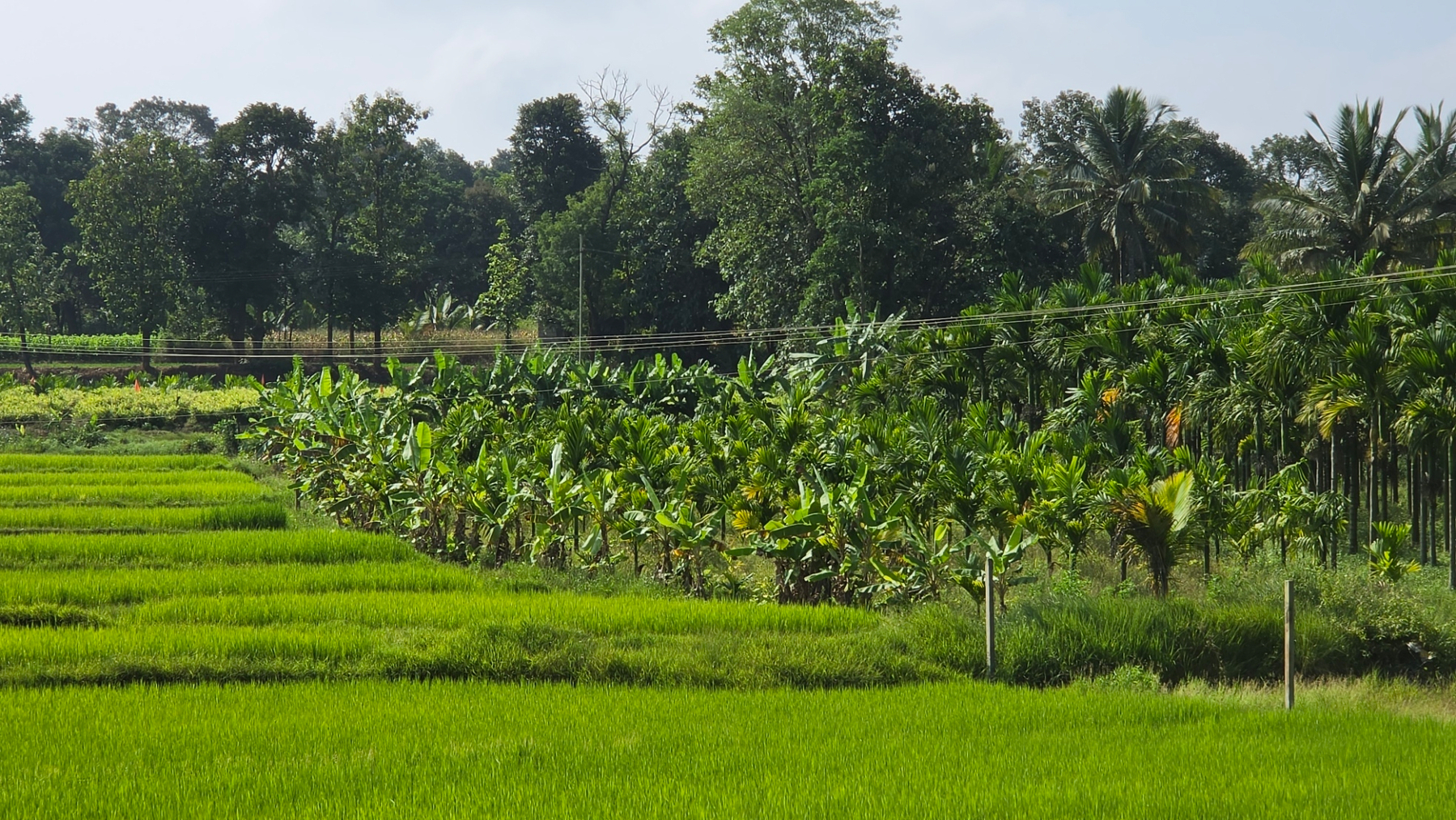
After riding through coffee estates and winding rural roads, I suddenly saw a small paddy field.
That caught my attention because paddy means something quite specific to me. I’m used to the enormous paddy landscapes around my native Thanjavur.
This wasn’t like that.
It was small, perhaps grown mainly for local needs.
But at around eight in the morning it was a brilliant green, with mountains rising behind it.
Above the field, perhaps a kite, hovered and hunted for food.
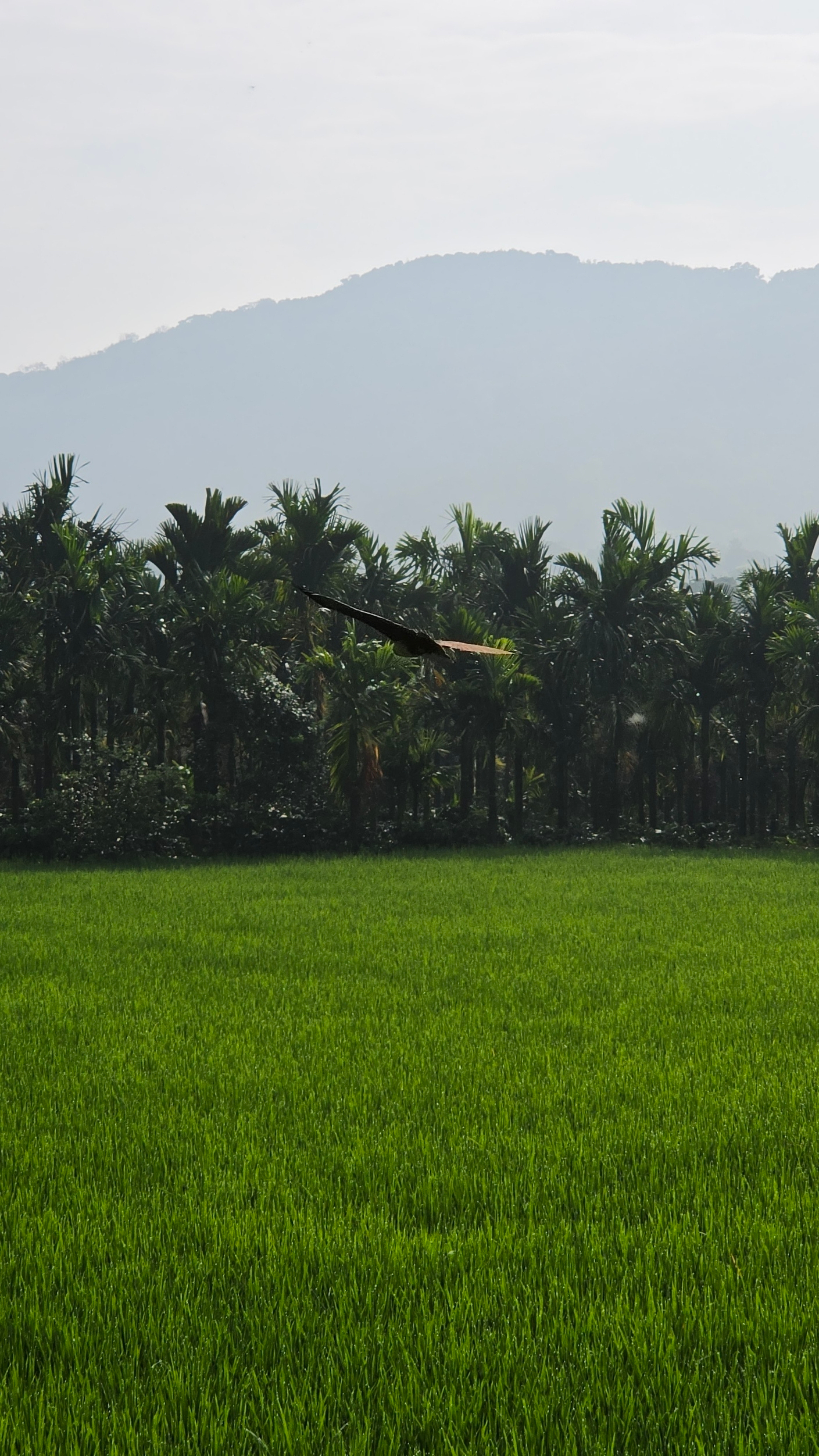
I stopped the motorcycle and took a video.
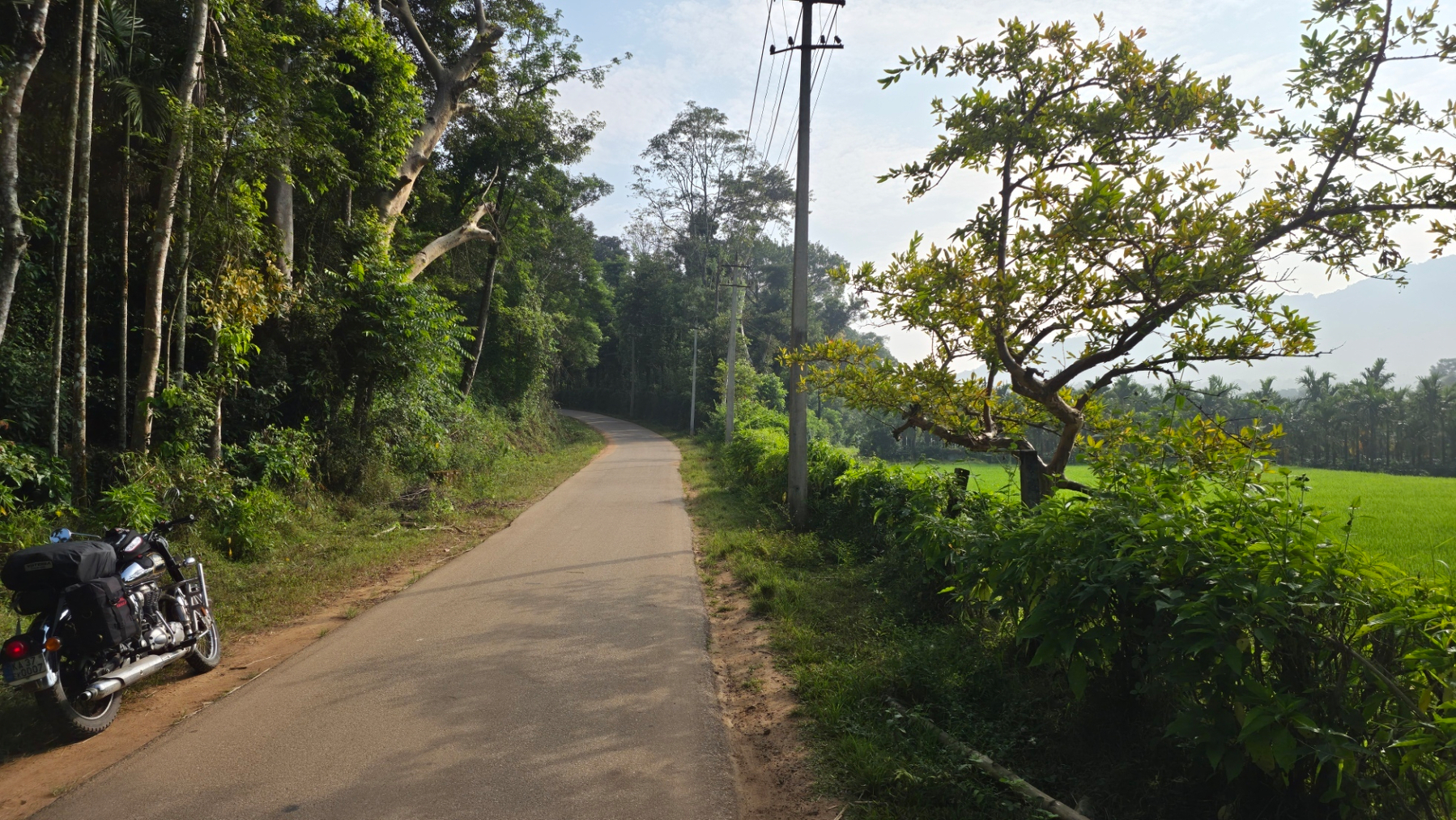
On the highway I would probably never have seen it.
Or even if I had, I couldn’t simply have stopped and watched.
The morning continued like that.
As the villages woke up, ordinary life began appearing around me.
Children were going to school in autorickshaws and on two-wheelers. Others waited for buses.
At one point there was a man riding a horse along the main road.
Later, down towards the warmer country near the Hemavathi, I noticed a woman simply going about her morning in a nightgown.
The contrast made me laugh.
Here I was dressed in motorcycle jacket, gloves, balaclava and helmet, equipped as though I were undertaking some enormous expedition.
She was simply getting on with her day.
And somewhere during that ride I understood something.
Touring is different from living.
There are probably beautiful roads near places where I normally live. There certainly are around London. But when you’re commuting or dealing with ordinary life, you often don’t really see them.
Your mind is somewhere else.
Here, my senses were deliberately looking for things.
I wasn’t thinking about finances.
I wasn’t thinking about home.
I wasn’t thinking about career worries.
I wasn’t even particularly interested in reaching the destination.
I was looking at fields, people, roads and mountains. I was thinking about the next bend, the right gear and how the motorcycle felt beneath me.
For a few hours, that was enough.
By the end of the day I had another feeling too: confidence.
This journey had been undertaken largely on faith that it would work.
Now I knew it could.
I could tour like this again. I could change the route. I could take a detour. I could go almost anywhere, provided I kept a few sensible limits—perhaps 120 kilometres in a day, two or three hours of serious riding, plenty of stops, no need to rush.
The world of possible trips had suddenly become much larger.
The Wrong Road Down: Mysore to Madikeri
This is Part 2 of Four Mornings on the Classic 350, a five-part motorcycle journey through Karnataka that was supposed to last four days, but became five.
| Part | Route | Story |
|---|---|---|
| 1 | Bengaluru → Mysore | Leaving in the Rain |
| 2 | Mysore → Madikeri | The Wrong Road Down (this post) |
| 3 | Madikeri → Hassan | Touring Is Different from Living (coming soon) |
| 4 | Hassan → Chitradurga | Every Turn a Question Mark (coming soon) |
| 5 | Chitradurga → Bengaluru | Sunrise, Obavvana Kindi and the Road Home (coming soon) |
One of the nicest stops of the entire trip wasn’t new at all.
Between Hunsur and Periyapatna is a Café Coffee Day that is open twenty-four hours. Strangely, I had been there twice before over perhaps the last ten years.
Now I found myself there again.
I was tired. I’d woken early, and the riding was catching up with me. The air-conditioning alone made the place feel like a refuge.
I ordered a cold Devil’s Own, sat down and stayed for perhaps thirty to forty-five minutes.
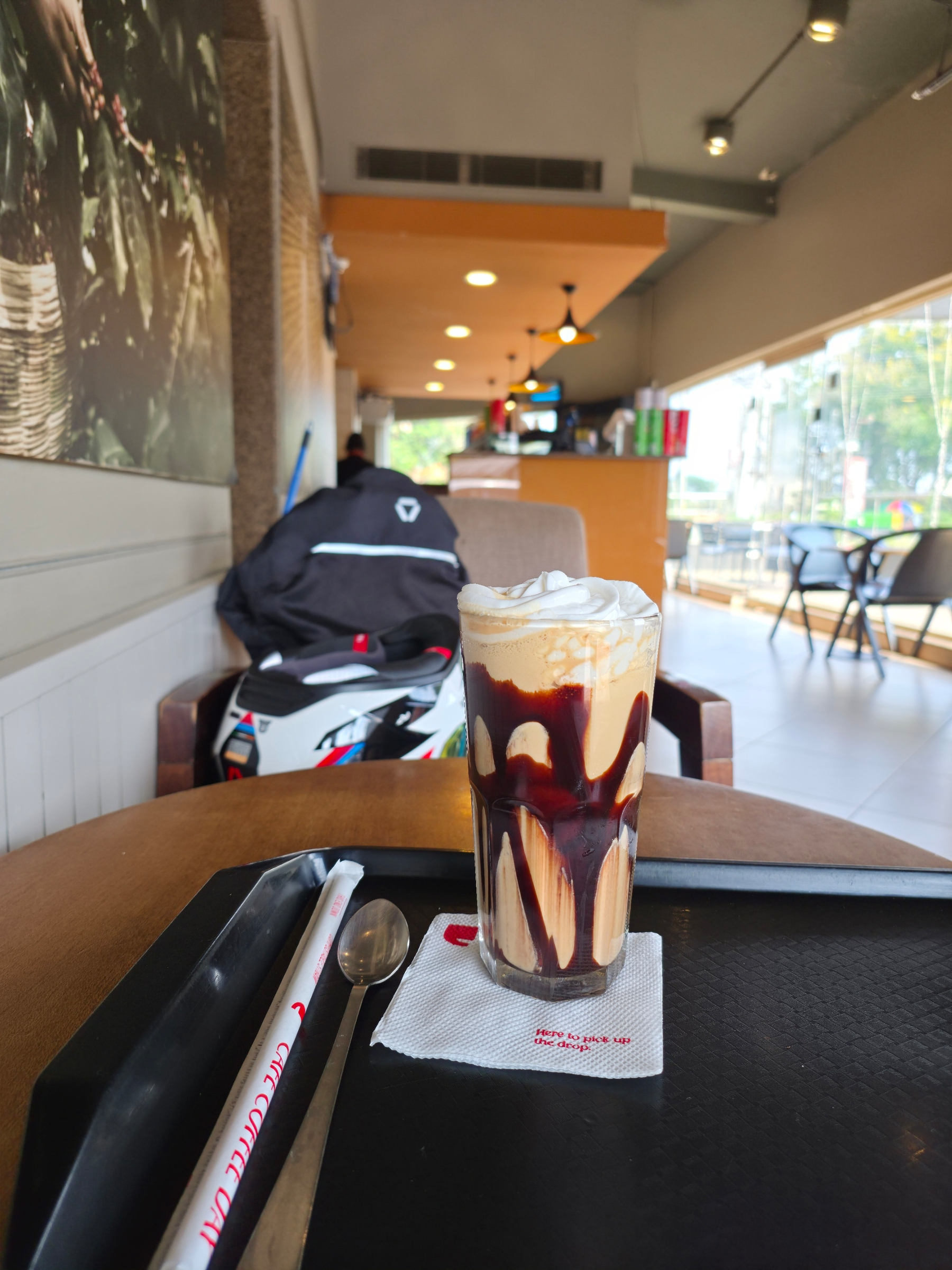
At some point I actually fell asleep for about fifteen minutes.
A proper power nap.
The staff were friendly, nobody bothered me, and when I finally got back onto the motorcycle it felt less like continuing the same journey and more like starting a new one.
The ride towards Kushalnagar wasn’t especially memorable. There were roadworks and plenty of interruptions. After Kushalnagar things improved, although traffic remained surprisingly heavy.
Then Madikeri arrived.
And Google Maps decided to welcome me to the hills.
It suggested a shortcut to my hotel.
I followed it.
The road went steeply downhill.
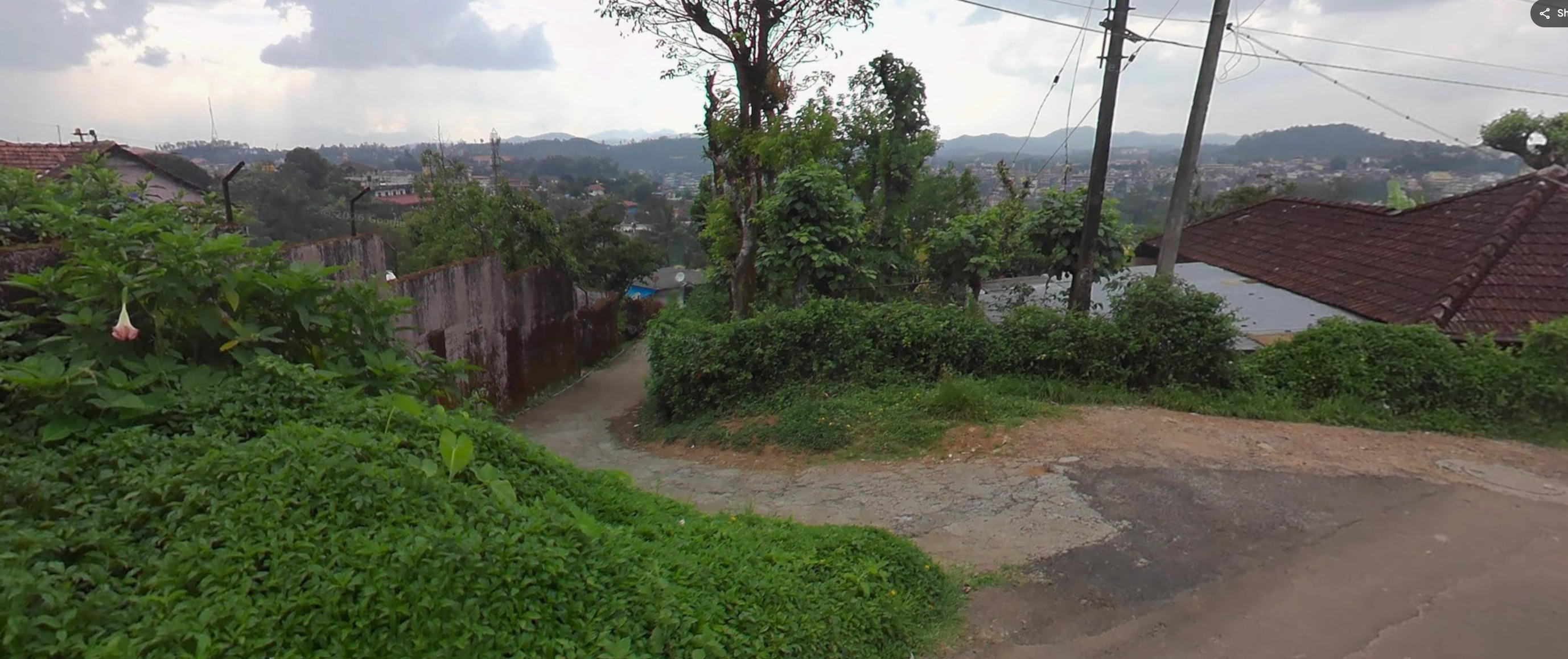
Then it led me straight into somebody’s home.
That would have been funny if I had been on foot.
On a heavy Classic 350, pointing downhill on a steep Coorg lane without enough space to turn around, it was considerably less funny.
I stopped the engine. The last thing I wanted was an accidental twist of the throttle while manoeuvring the motorcycle.
Then came the hard part.
I had to wrestle the bike backwards, uphill, little by little until I created enough room to turn it.
By the time I managed it, I was breathing heavily. Gloves came off. The balaclava came off. The helmet was barely sitting on my head while I recovered.
But something useful had happened.
I had acquired a new rule:
Never ride down a steep little road without first being reasonably certain that it actually goes somewhere.
Google immediately began suggesting more shortcuts.
This time I looked carefully at the map and ignored them.
I took the longer route through central Madikeri and past the bus-stand area.
Much better.
Navaratna Resorts had basement parking, with several other motorcycles already there. Check-in was easy.
For lunch I didn’t want anything elaborate. I found an old Udupi restaurant and had a simple South Indian meal.
After wrestling a Royal Enfield backwards up a Coorg slope, few things could have been more satisfying.
Then I bought some water, returned to the hotel and started working.
That evening after work finishing, I walked to Raja Seat to catch a glimpse of the sunset, which wasn’t dramatic due to cloud cover but the location was nice for good photos and views over the coorg western ghats.
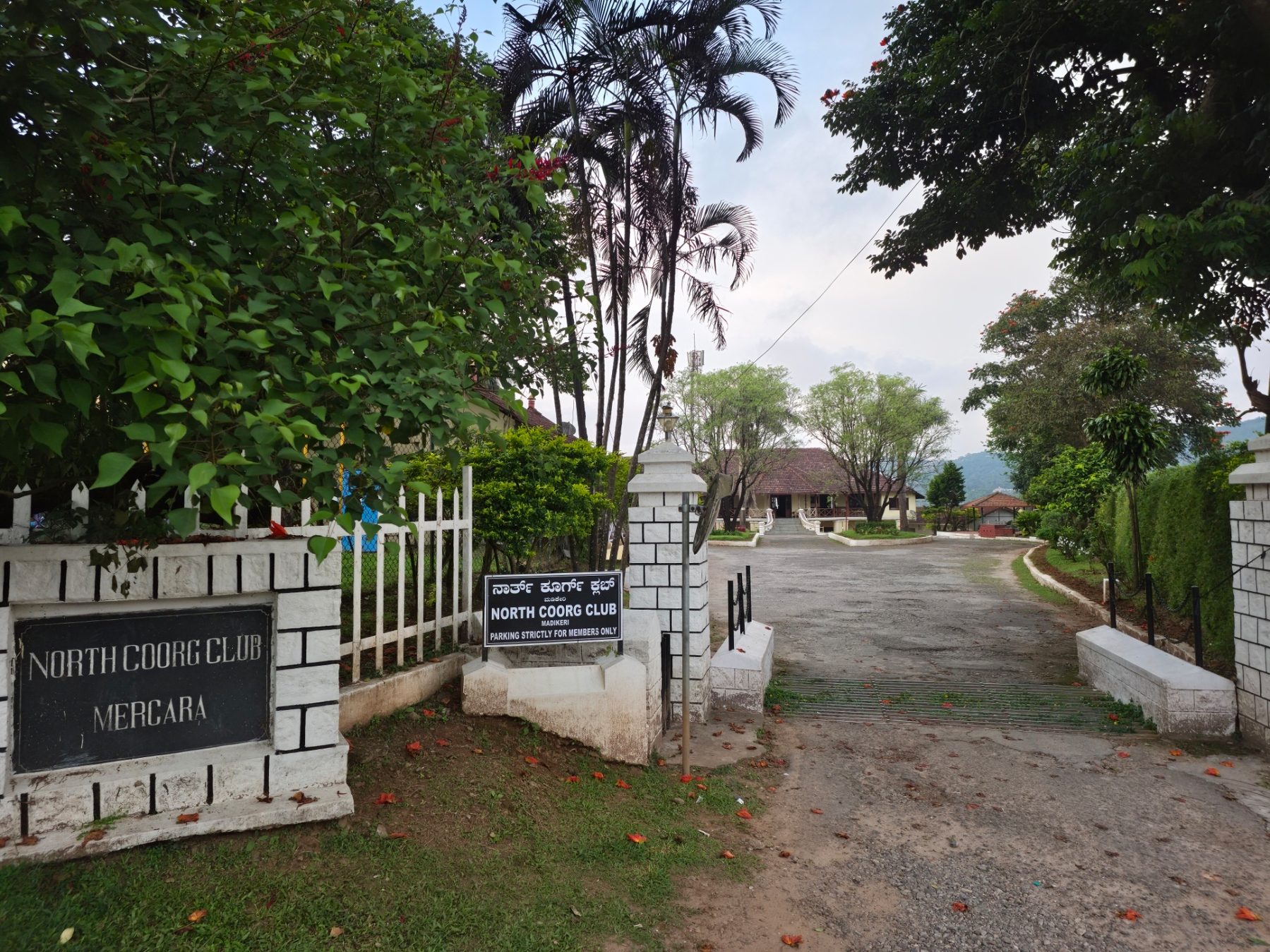
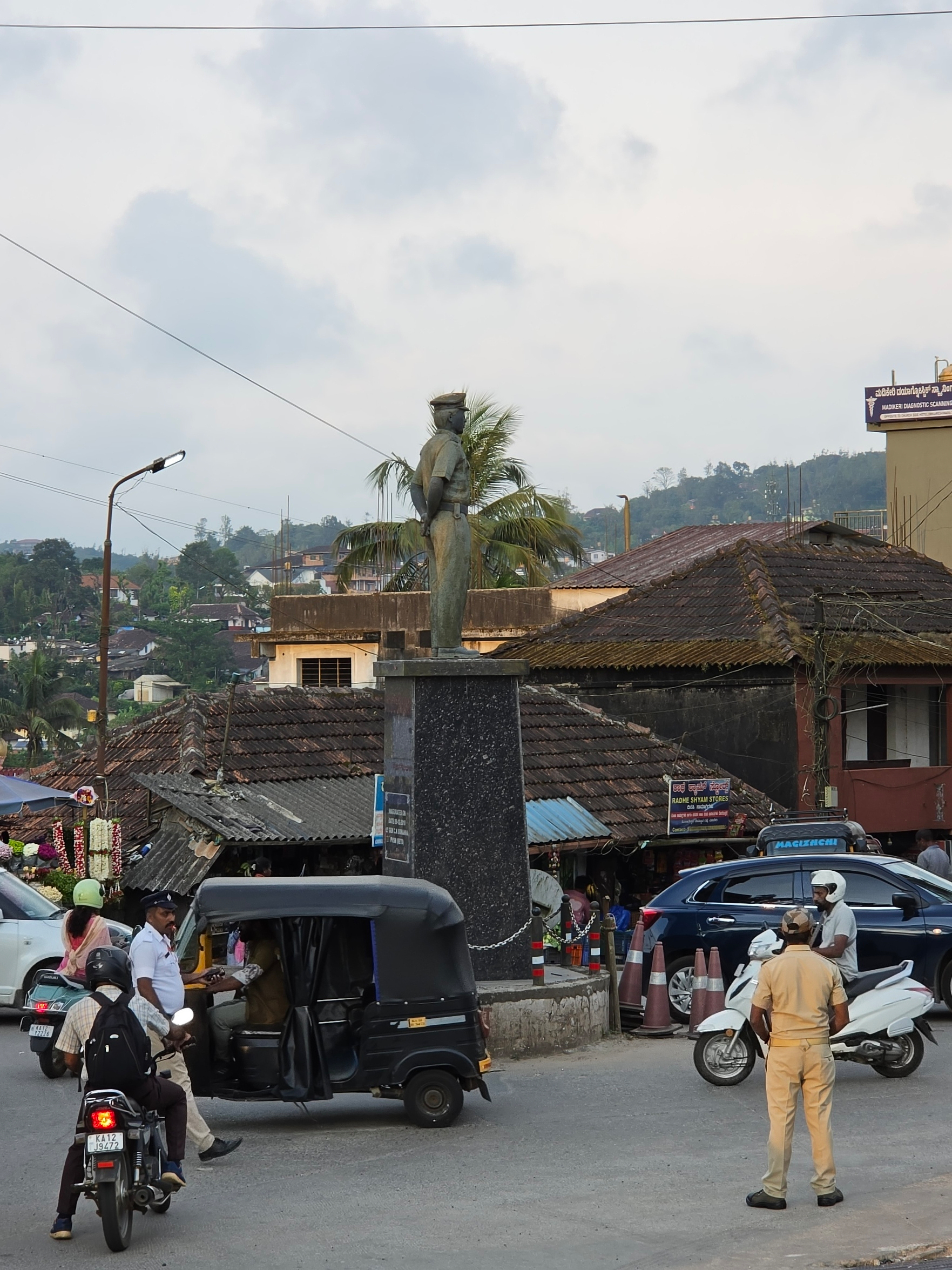
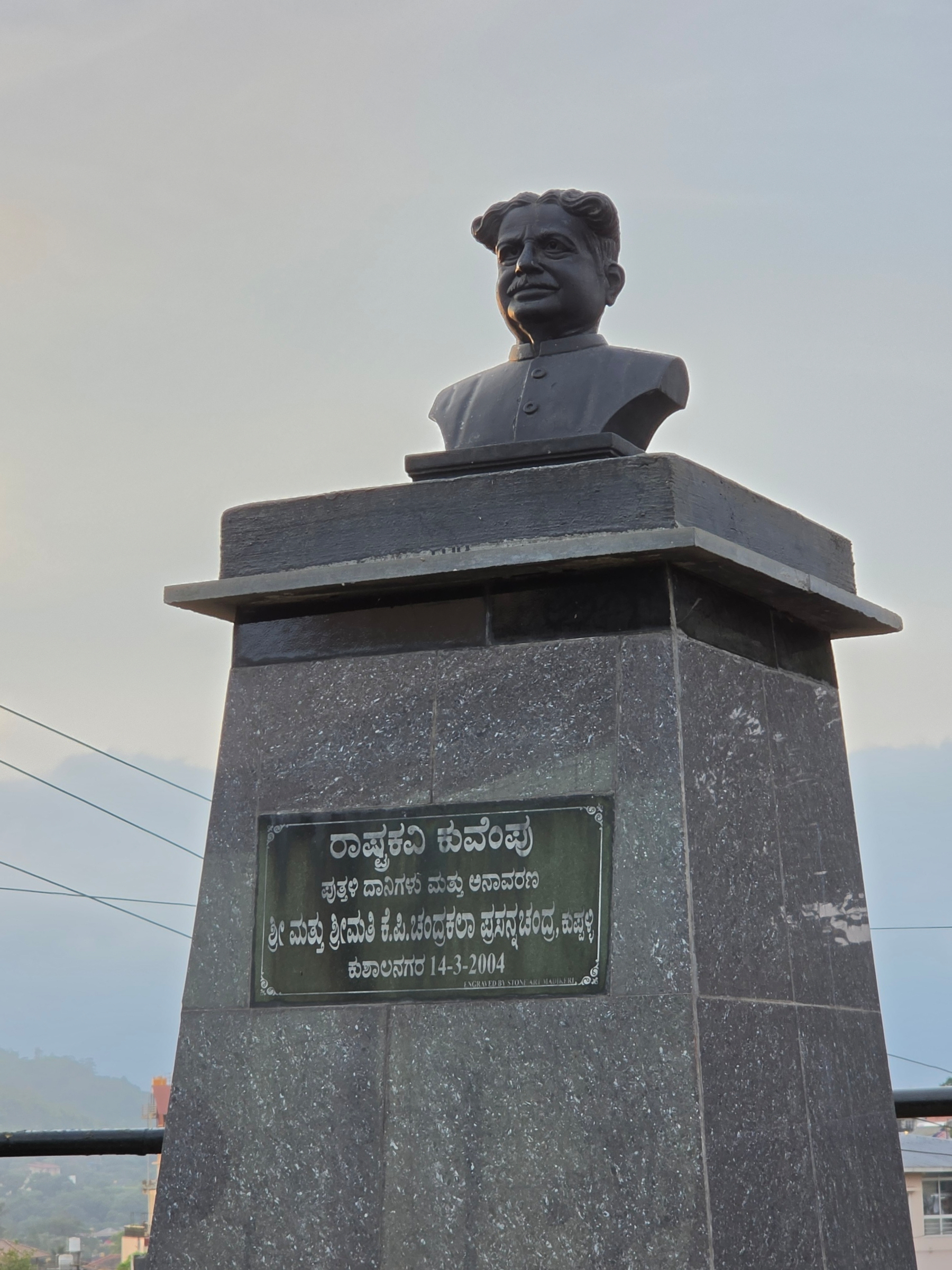
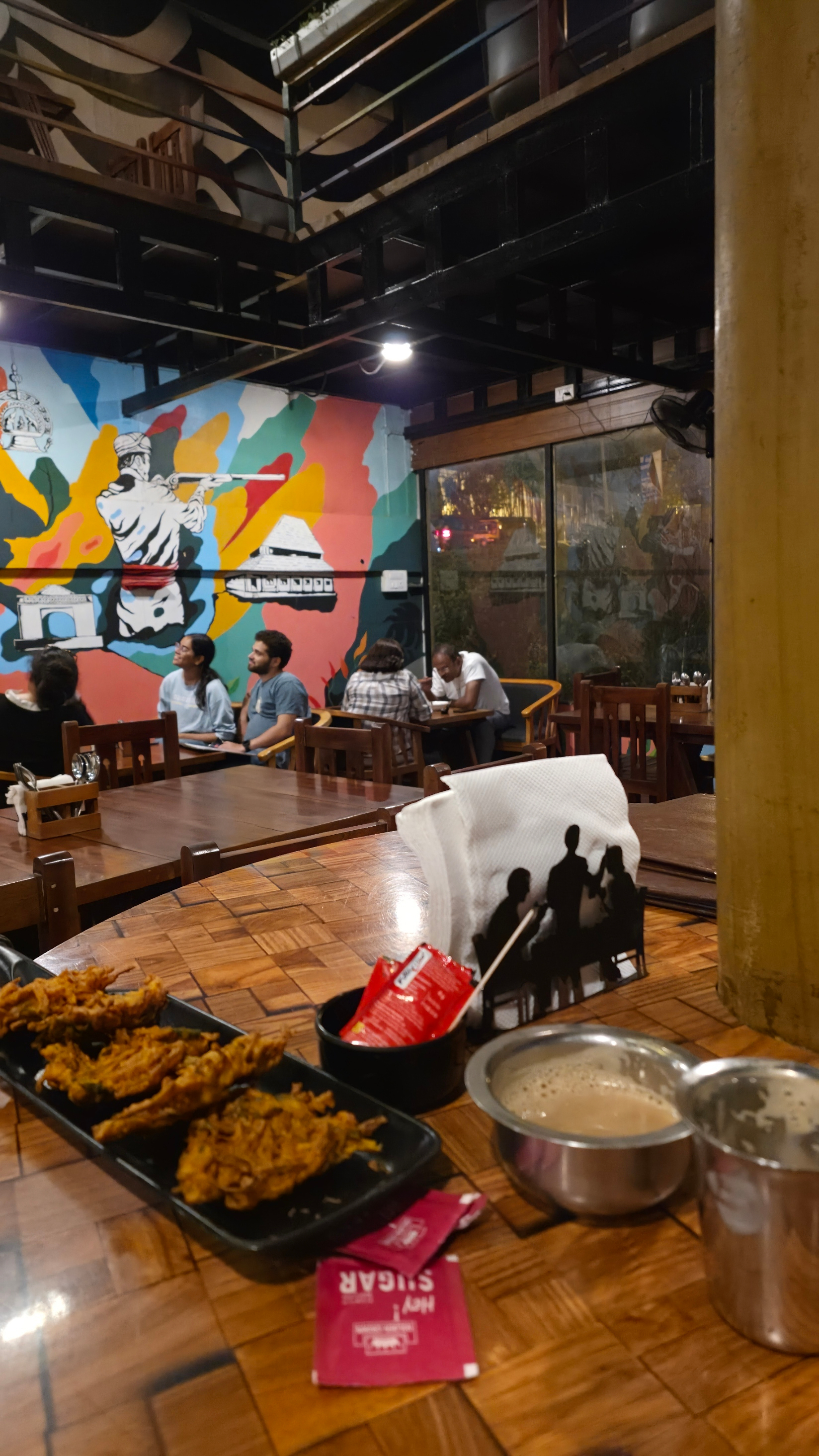
On the way back, I popped into a cafe sceptically, but it turned out to be one of the nicest place to relax. Thoroughly enjoyed the stay there (Kimberley Resto Cafe) with cool evening breeze rejuvenating after a tiresome day of ride.
Leaving in the Rain: Bengaluru -> Mysore
This is Part 1 of Four Mornings on the Classic 350, a five-part motorcycle journey through South Karnataka that was supposed to last four days, but became five.
| Part | Route | Story |
|---|---|---|
| 1 | Bengaluru → Mysore | Leaving in the Rain (this post) |
| 2 | Mysore → Madikeri | The Wrong Road Down |
| 3 | Madikeri → Hassan | Touring Is Different from Living (coming soon) |
| 4 | Hassan → Chitradurga | Every Turn a Question Mark (coming soon) |
| 5 | Chitradurga → Bengaluru | Sunrise, Obavvana Kindi and the Road Home (coming soon) |
I didn’t sleep particularly well the night before the ride.
Thunderstorms kept waking me up, and each time I heard the rain I started wondering about the trip. How waterproof was my kit really? Would everything packed on the motorcycle stay dry?
I’d packed my waterproof jacket and trousers in the pannier the previous evening. By five in the morning, it was obvious there wasn’t much point leaving them there. I put them on inside the house.
Everything else had been packed the night before. All that remained was to go downstairs, attach the luggage to the Classic 350 and leave.
At exactly 6:30, I set off.
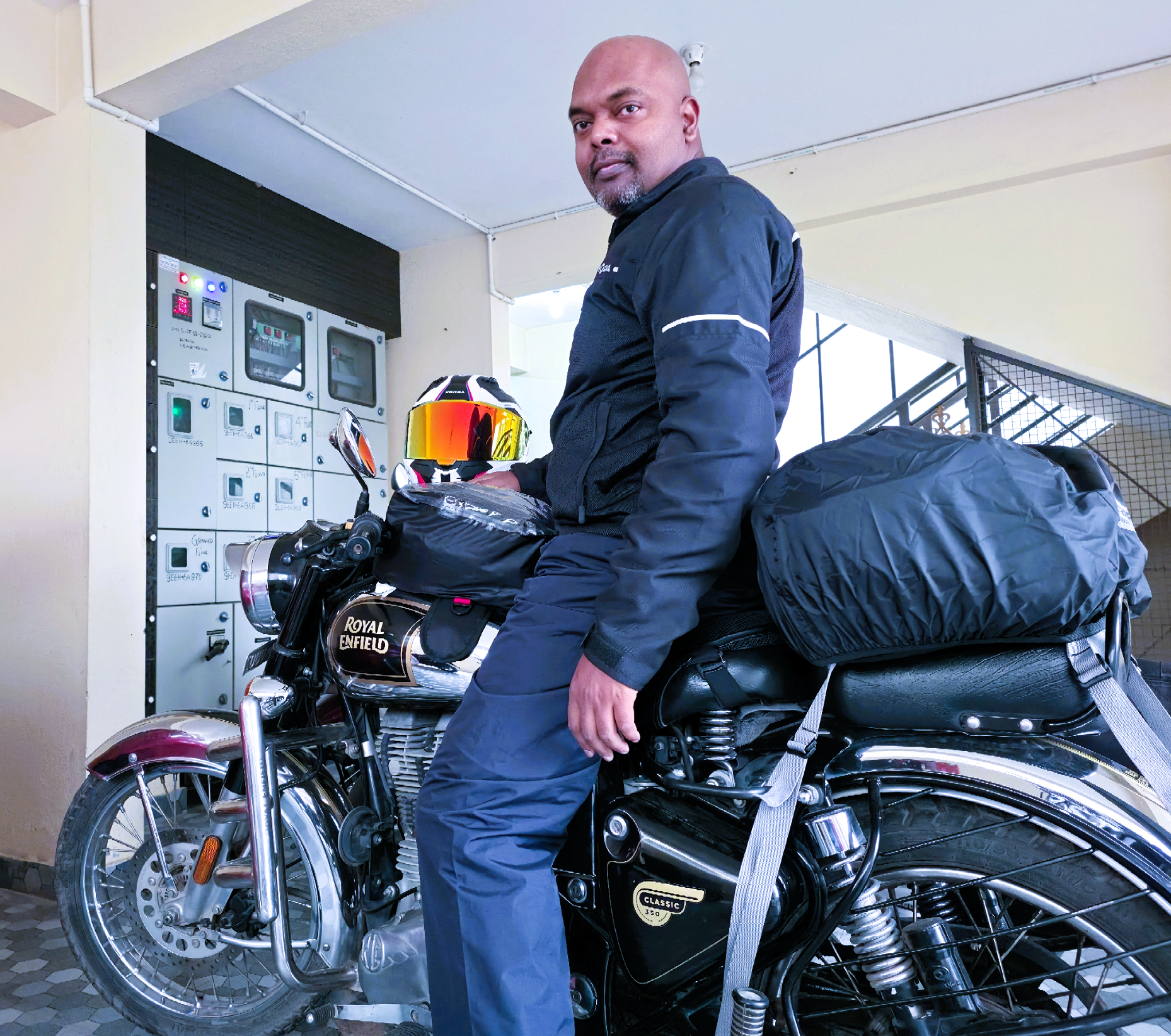
It was raining.
The route took me through Brigade Road, Bannerghatta Road and JP Nagar before joining Kanakapura Road. Getting out of Bengaluru took almost ninety minutes.
Kanakapura Road wasn’t particularly welcoming either. There were potholes and rough sections, and the first part of the ride was more about getting out of the city than enjoying motorcycling.
Near the Art of Living junction I stopped for breakfast at MTR. I wanted something light, so I ordered a plain dosa.
It arrived looking suspiciously like a masala dosa from which somebody had simply forgotten the masala. There was far too much ghee. It was heavy and rather disappointing.
Not quite the elegant touring breakfast I had imagined.
There was another problem.
I hadn’t put in my earplugs when I left home. Bengaluru’s traffic, engines and incessant honking were beginning to irritate me, so a few kilometres after breakfast I stopped and put them in. I started listening to Ilaiyaraaja.
But I hadn’t worn my balaclava.
I had only a small cap beneath the helmet, and the earphones wouldn’t stay properly seated. They didn’t fall completely because they were attached to a neckband, but they kept loosening inside the helmet.
So I had the worst of both worlds: outside noise and very faint music.
After about half an hour, I’d had enough.
Then I realised something ridiculously simple.
The balaclava would hold the earphones in place.
I stopped again, put it on, and suddenly everything worked.
By then the rain had stopped as well, so the waterproof jacket and trousers came off.
And almost as if the ride had been waiting for all these little irritations to disappear, the road became beautiful.
Somewhere around the Malavalli side came a short stretch of greenery and winding road. It probably lasted only five or ten minutes.
But it was the first moment of the trip when everything clicked.
The motorcycle, the road, the countryside, the music.
For the first time that morning I thought:
Yes. Going on this ride was the right decision.
About ten kilometres before Mysore, the fuel warning began flashing. I stopped at a Nayara pump, filled up and continued.
Then Mysore appeared almost suddenly.
After taking an hour and a half simply to escape Bengaluru, there was something wonderfully calm about riding into Mysore at around half past eleven. There wasn’t much traffic on the route to my hotel.
It reminded me of old Bangalore.
My hotel, Serene, turned out to be an excellent choice. It seemed quite new, was close to the palace area, cost about ₹3,000 and, importantly, had secure underground parking for the motorcycle.
I also had work to do.
There was something important for which I needed to be online by one, and the hotel’s Wi-Fi turned out to be superb. I worked for a couple of hours, eating vegetable pulao and rotis while I did so, took a half-hour nap and then worked again.
This wasn’t a holiday completely detached from normal life. Somehow the motorcycle trip and work were coexisting.
That evening my friend Harsha, who lives in Mysore, came over at around seven. I carried my helmet, got onto his motorcycle and we went to Oyster Bay.
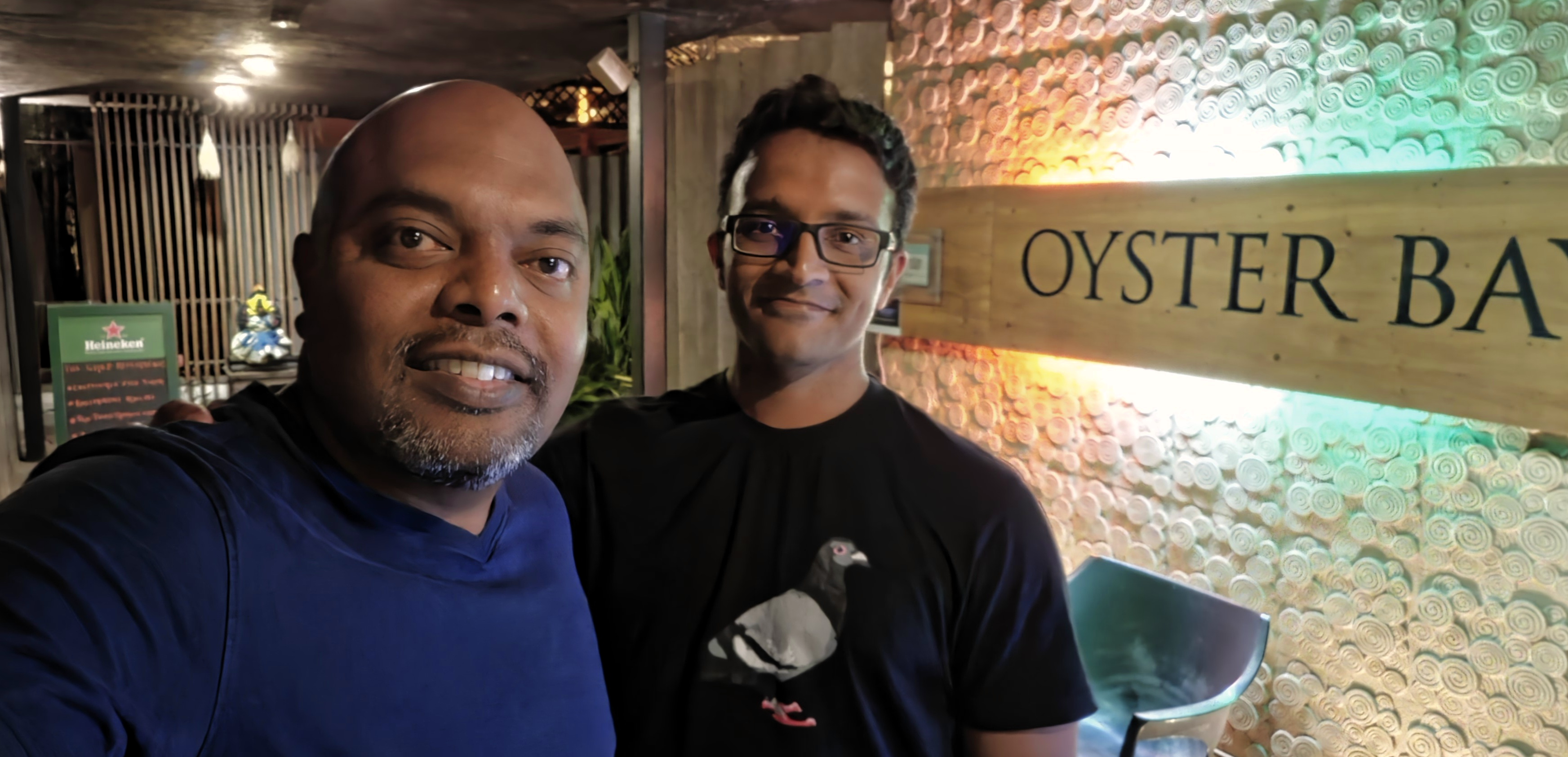
We sat outside, had a light dinner and talked for a long time.
After the thunderstorms, rain gear, Bengaluru traffic, potholes, disappointing dosa and troublesome earphones, Day One ended quietly over dinner with an old friend.
The trip had begun.